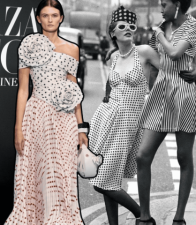
In every era, young people seem to have their own "moments of nostalgia." In the 1990s, Chinese youth eagerly donned flared jeans reminiscent of Hong Kong stars; in the 1980s, American skateboards and Kodak cameras were all the rage on the streets of South Korea; and around 2000, Japan's Generation Z was captivated by Showa-era cafes, train stations, and replica home appliances. Rather than simply being nostalgic, it's more accurate to say that young people are seeking emotional anchors and identity projections in a past they've never personally experienced.
In 2025, this sentiment was amplified once again: CCD cameras, tear-off film, cassette tape headphones, and revived TV shows and concerts became popular again globally, with young people participating in an almost ritualistic way. Nostalgia is no longer a niche interest for a particular group, but has become a content language that can be co-created, monetized, and sustainable.
Why can each generation of young people create new commercial trends through "nostalgia"?
Nostalgia is leaping from an emotional outlet to a proactive behavior. Young people's nostalgic consumption goes far beyond simply reminiscing about the past. It stems from:
- A psychological defense against an uncertain era: Nostalgic consumption uses known and safe symbols to establish a buffer and cognitive anchor against future uncertainties;
- The reconstruction of self-identity: By wearing, collecting, and imitating past symbols, young people actively participate in constructing their own timeline and cultural identity;
- Resisting the rapidly changing pace of society: Nostalgic objects provide a tactile and rhythmic buffer, allowing individuals to find an outlet to "slow down" in the fast-paced digital world.
Generation after generation of young people are captivated by nostalgia, not because they are sentimental, but because reality is too new, too fast, and too superficial—immersing themselves in nostalgic scenarios is their way of resisting homogenized life experiences and rebuilding emotional belonging and cultural resonance.
Why "nostalgia" in particular?
The charm of nostalgia lies in its ability to transcend time and be repeatedly activated. From the 1980s South Korean youth's fascination with American bell-bottoms, to the 1990s Japanese Gen Z's obsession with Showa-era modern style, and the Hong Kong-style hairstyles and Double Happiness sneakers that swept through Chinese streets around the turn of the millennium, a series of behaviors revolving around nostalgia represent a long-tail preference for self-expression among young people across generations—it exists on the fringes of the mainstream, yet it has never disappeared, traversing the cycles of time, always managing to generate new meanings between content and products.
The appeal of this type of content is also being translated into a "participatory expression mechanism." In 2024, Nokia's reissue of a 1999 model sold out instantly upon release; buyers weren't looking for functionality, but rather to re-enter the slower pace of communication of that era. Polaroid has repeatedly released limited-edition reissue camera series, complete with personalized stickers, filters, and retro instant camera tutorials; many users use them as props for creating derivative content—the product itself takes a backseat, the content takes center stage.
Old objects become symbolic representations of attitude not because they are more functional, but because they "have a stronger emotional connection." As emphasized in psychology's concept of familiarity preference, people naturally gravitate towards things with low cognitive burden and low emotional risk. Items used by parents and grandparents possess a time-buffered filter, quickly providing a sense of familiarity and security.
The Diversification of Society
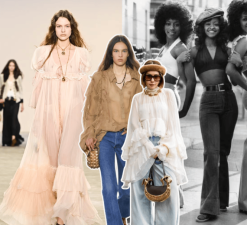
A pattern element may go from being popular to disappearing, only to reappear years later in a new guise, be remembered again, and be reused to form a new trend. This type of pattern recurrence is known as the cyclical nature of fashion. This phenomenon is not merely due to the cyclical nature of fashion trends, nor is the emergence of appropriate new forms; it is also closely related to the diversification of society.