
With the development of the fashion industry, street culture and trend culture have become increasingly important in influencing fashion design. Street culture and trend culture are important components of contemporary youth culture, representing the attitudes and personalities of young people, while also providing more inspiration and creativity for fashion design. Streetwear, as a carrier of urban youth culture, often embodies symbols of rebellion, individuality, and community identity. Meanwhile, commercial forces play a crucial role in promoting cultural integration. Furthermore, the cyclical nature of trends reflects the sentiments of the times.
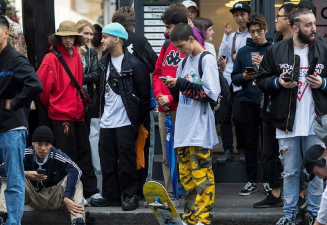
The Journey of the Fusion Between Street Culture and Haute Couture
In today's era, street culture is no longer a niche expression of subculture; it has integrated into the mainstream fashion field with an unstoppable force, profoundly impacting the traditional haute couture world. From design concepts to dressing styles, the imprint of street culture is ubiquitous. Let's explore how it has gradually penetrated this once-unreachable fashion mecca.
Street culture originated in 20th-century America. With freedom, rebellion, diversity, and inclusivity as its core spirit, it conveys a lifestyle attitude that contradicts mainstream values through forms of expression such as graffiti, street dance, and DJing. With the advancement of globalization, this culture has rapidly spread throughout the world, especially among young people, where the lifestyle it advocates has received unprecedented popularity.
Under the impact of street culture, subtle changes have begun to appear in the haute couture world. Designers are no longer confined by traditional constraints and are beginning to incorporate street elements into their designs. This shift can be traced back to the 1980s, when some avant-garde designers began exploring the possibility of combining streetwear with high fashion. Using materials and items commonly found on the streets, such as denim and sneakers, they broke the rules of the high fashion world, bringing a breath of fresh air to the fashion industry.
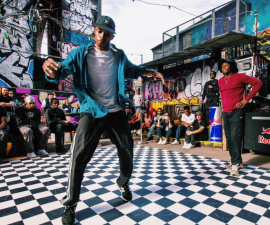
Street culture is a cultural form that takes place on the streets, emphasizing individuality and freedom.
Under the influence of street culture, fashion design places greater emphasis on the expression of individuality and freedom. Designers draw inspiration from street culture, using exaggerated patterns, unique materials, and novel design elements to create more personalized and free-spirited clothing styles. For example, under the influence of street culture, sportswear and casual wear have gradually become the focus of fashion design; these garments are not only comfortable and free but also full of personality and style.
Trend culture is a cultural form based on popular trends, emphasizing fashion and change.
Under the influence of trend culture, fashion design places greater emphasis on following trends and pursuing innovation. Designers use the latest popular elements and design concepts to create more fashionable and novel clothing styles. For example, influenced by trend culture, fast fashion and seasonal fashion have become key focuses in fashion design. These trends evolve rapidly, requiring designers to constantly pursue innovation and change.
The fusion of street culture and trend culture provides fashion design with a broader creative space and possibilities.
The fusion of street culture and trend culture makes fashion design more diverse and personalized. Designers can find inspiration in this fusion, creating more unique and novel clothing styles by utilizing various design elements and techniques.
The influence of street culture and trend culture on fashion design is significant. Their fusion provides fashion design with more inspiration and creativity, while also making fashion design more personalized, free, and fashionable.