Coffee, this small beverage, possesses immense magic, giving rise to a rich and diverse coffee culture around the world. This fragrant drink has long been integrated into our daily lives, becoming an indispensable part of many people's lives. However, coffee is more than just a beverage; it is a culture, a reflection of a lifestyle. Globally, different regions have their own unique coffee cultures, each carrying its own distinctive local customs and historical stories. Modern coffee culture encompasses the cultivation, roasting, processing, and brewing techniques of coffee beans (the kernels inside the coffee tree fruit), forming the distinctive characteristics of the three major origin regions: Africa, the Americas, and Asia. Global coffee markets often showcase representative varieties such as Ethiopian Yirgacheffe, Colombian nutty coffee, and Yunnan Pu'er Arabica.
Coffee from Various Countries
Italy: The Birthplace of Espresso
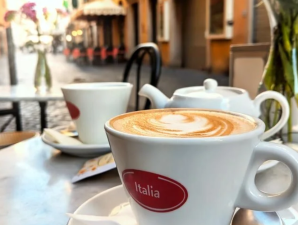
Italy, a country brimming with romance, is known as the birthplace of espresso. Here, a cup of authentic espresso is almost a daily necessity for everyone. Espresso preparation is meticulous, using high pressure to extract the essence of coffee beans, releasing their rich aroma and flavor in a short time. Paired with a cup of creamy milk, it creates the world-renowned Latte and Cappuccino.
Italy's coffee culture is deeply influenced by its long history and national character. In this ancient and vibrant country, people love life and pursue quality. A cup of coffee is not just for stimulating the mind, but also an enjoyment, a love for life. Cafes are ubiquitous in Italy, where people chat, gather, read, and enjoy the pleasant moments brought by coffee.
Colombia: The Allure of the Coffee Country
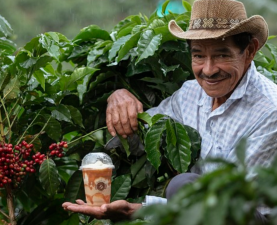
Colombia, a South American country, is world-renowned for its high-quality coffee beans. Colombian coffee is highly praised for its rich flavor and unique aroma, becoming one of the most sought-after specialty coffees by coffee lovers worldwide.
In Colombia, coffee cultivation has a long history, with coffee trees grown at high altitudes in mountainous areas, enjoying ample sunshine and rainfall. Colombia's unique natural environment contributes to the exceptional quality and rich flavor of its coffee beans. Local coffee farmers have preserved generations of cultivation and roasting techniques, giving each cup of Colombian coffee its distinctive charm.
Colombia's coffee culture is equally vibrant. Here, people love coffee and consider it an art form. Whether it's a family gathering or a get-together with friends, a cup of aromatic coffee is indispensable. Furthermore, Colombia hosts numerous coffee-related events and festivals, such as coffee festivals and coffee seminars, attracting coffee enthusiasts from around the world to exchange ideas and enjoy tastings.
Ethiopia: The Origin of Coffee
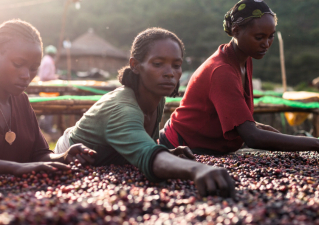
Ethiopia, a country in East Africa, is hailed as the birthplace of coffee. Historical records indicate that the first coffee tree was discovered in Ethiopia. Its coffee is highly praised for its unique taste and aroma, becoming a coveted delicacy for coffee lovers worldwide.
In Ethiopia, coffee cultivation and processing techniques have been passed down for millennia, forming a unique coffee culture. Local coffee farmers use traditional hand-picking and drying methods to ensure the quality and taste of the coffee beans. Ethiopia's unique coffee roasting techniques also contribute to the rich aroma and flavor of each cup.
In Ethiopia, coffee is not just a beverage, but a cultural symbol. Locals love coffee and consider it a way of life. In cafes, people can enjoy various coffee flavors while also appreciating traditional music and dance performances. This unique coffee culture allows people to experience the charm and warmth of Ethiopia.
French Coffee Culture: Elegant Romance

French coffee culture is imbued with elegance and romance. The French value the environment and atmosphere when drinking coffee. In Paris, you can often see open-air cafes where people sit, sipping coffee and enjoying the street scene.
French coffee is diverse, including not only traditional espresso but also lattes, cappuccinos, and more. The French like to add milk and milk foam to their coffee, making it smoother. A latte typically consists of a large amount of milk with a small amount of coffee, while a cappuccino has a more balanced ratio of milk, milk foam, and coffee.
French cafes have a long history, many retaining their ancient architectural styles and traditional decorations. Here, one can experience a rich cultural atmosphere. French coffee culture is also closely linked to literature and art. Many writers and artists enjoy finding inspiration in cafes; literary giants like Hemingway were frequent patrons. In such an environment, coffee is not just a beverage, but a source of creative inspiration.
Turkish Coffee Culture: A Mysterious Charm
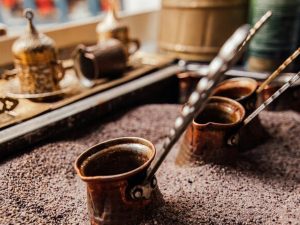
Turkish coffee possesses a unique and mysterious charm. Its preparation method is very meticulous, requiring the coffee grounds to be ground extremely finely. The finely ground coffee is placed in a special coffee pot called a "cezve," with the appropriate amount of water added, and then slowly brewed over a low heat. During the brewing process, the coffee continuously swirls, releasing a rich aroma.
After brewing, Turkish coffee is poured into small coffee cups. A thick layer of coffee grounds settles at the bottom of the cup. When Turks drink coffee, they savor it slowly, experiencing its complex flavors from strong to bitter to lingering aftertaste. They even use the shape of the coffee grounds for divination, adding a touch of mystery to Turkish coffee culture.
In Turkey, coffee is an important social and hospitality beverage. People share coffee and chat with family and friends at home or in cafes. Turkish coffee culture carries the history, traditions, and emotions of the Turkish people, and is an indispensable part of their lives.