Minimalism, this simple yet profound philosophy, is quietly gaining popularity worldwide. It's not merely a lifestyle, but a philosophy pursuing inner freedom and tranquility. In this era of information overload and material abundance, minimalism is like a breath of fresh air, offering endless food for thought and inspiration.
The Allure of Minimalism: Minimalism, this pursuit of simplicity and tranquility, has garnered widespread attention globally. It not only represents a new lifestyle but also embodies people's yearning for inner freedom. In the hustle and bustle of modern life, minimalism is like a clear spring, bringing spiritual cleansing and elevation.
Rewind 15 seconds, then fast forward 15 seconds—the charm of minimalism lies in its simple yet profound philosophy. This philosophy has resonated widely globally, becoming a new lifestyle. It not only represents the pursuit of a peaceful life but also embodies people's yearning for inner freedom. In the hustle and bustle of modern life, minimalism is like a clear spring, nourishing people's souls and bringing spiritual joy and elevation.
Minimalist Lifestyle Philosophy
Minimalism, a lifestyle philosophy that continuously pursues the simplification of possessions to the essentials, is gradually becoming a new global trend. In the past few decades, with the rise of consumerism, people's homes have become cluttered with too many items, affecting not only living comfort but also consuming a significant amount of maintenance time. Therefore, more and more people are beginning to aspire to and pursue a simpler, freer lifestyle.
Minimalism Manifestations in Different Regions
Japanese Minimalist Philosophy
Japan stands out in the field of minimalism, its philosophical foundation deeply rooted in Zen Buddhism. Zen teaches its followers to be detached from material pursuits and focus on inner happiness and enlightenment. The Japanese use a series of terms to describe the specific manifestations of minimalism in their culture. Among them, "Mottainai," meaning "not wasting a single thing," signifies cherishing and being grateful for resources. It reminds people that the earth's resources are finite, and we should cherish and make full use of what we have.
Mottainai, this Japanese phrase, means "Don't waste anything!", its deeper meaning being to remind people to cherish resources and avoid excessive waste. On a planet with limited resources, we should be grateful for and make the most of every item. Furthermore, it urges people to actively seek ways to reuse and recycle items to slow down the rate of landfill waste. Sometimes, this phrase is simplified to echo the American 3R principle—"reduce, reuse, recycle"—while emphasizing the importance of "respect."
Scandinavian Minimalist Design
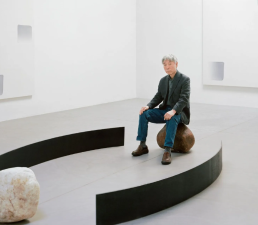
Minimalistism is also highly regarded in Scandinavia. Furniture and architecture in this region are known for their simple yet stylish design. It's worth mentioning the concept of "dostadning," also known as "Swedish death cleanup." It describes how, as people age, they gradually dispose of unnecessary items in their homes to reduce the burden on their descendants after their death.
This minimalism has a unique perspective, focusing more on the lasting impact of items rather than simply creating a minimalist living environment. This concept is refreshing because it acknowledges the potential burden of material wealth and the fact that items may persist long after their owners' passing. In Sweden, an elderly woman named Margarita Magnusson, who claims to be between 80 and 100 years old, authored a book titled *The Swedish Art of Death Cleansing: How to Free Your Life and Family from a Lifetime of Chaos*. She believes the primary principle is to "always talk about it." Share your cleansing intentions with others so they can provide oversight.
Minimalist Cultures in Other Countrie
Minimalism also exists in various forms in other countries and cultures. For example, France is known for its "less is more" fashion philosophy, with Coco Chanel famously saying, "Before you go out, look in the mirror. If you feel you have too much of something, take it off." Quakers, on the other hand, embrace minimalism, encouraging followers to avoid pursuing luxurious clothing and other items, as these distract from focusing on God and service. In some parts of southern India, people follow the philosophy of "devara kaadu," rejecting synthetic products, advocating a simple life, and using homemade household items made from natural ingredients.
Despite their diverse forms of expression, minimalism persists in various cultures, advocating for a simple life through different means. In short, as an ancient and rich tradition, minimalism is gradually gaining recognition and popularity worldwide.