
Music and society share a profound and complex connection, manifesting in diverse ways across different cultural, historical, and social contexts. Music is not merely an art form, but a powerful medium reflecting society, shaping culture, and conveying emotions. Music acts as an invisible force in social events. Music plays multiple roles in human social life, possessing far-reaching influence and significance.The power of music stems from its ability to directly reach emotions and collective consciousness, and it continues to play a role in mobilization, education, and change in social movements.
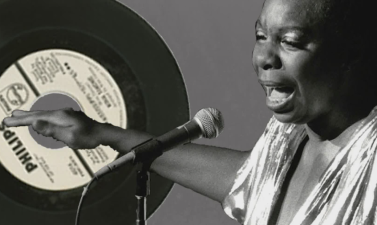
Emotional Expression and Communication
- Music is an important means of emotional expression. People can convey complex emotions such as joy, sadness, anger, and longing through music, resonating with listeners and allowing them to experience the inner world of the creator or performer.
- As a non-verbal communication tool, music can transcend language and cultural boundaries, promoting understanding and exchange between people.
Cultural Heritage and Education
Music is an important carrier of cultural heritage.
Through music, people can learn about the history, culture, and beliefs of a nation or region, thereby deepening their understanding and respect for different cultures.
Music also plays a vital role in education.
Music education can cultivate students' aesthetic abilities, creativity, and teamwork skills, positively impacting their overall development.
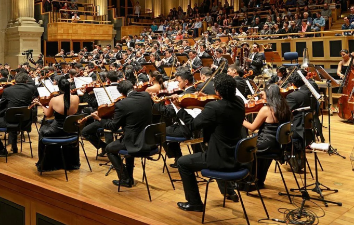
The Social Functions of Music
The Influence of Music
Similarly, the status of music in society has sparked widespread discussion. Many firmly believe that music has a profound impact on society, not only enriching people's spiritual lives but also conveying cultural information and emotional expression. However, others believe that music is merely a form of personal entertainment, with relatively limited social significance.
The Educational Function of Music
Music is not just for entertainment. Symphonic music not only moves people with its beautiful melodies but also conveys positive values through the profound meaning behind its lyrics, helping people cultivate good character and enhance their aesthetic appreciation. The children's song "ABC," with its simple and cheerful melody, allows children to learn the alphabet in a relaxed and joyful atmosphere, laying the foundation for their early education. Inspirational songs can provide comfort, confidence, courage, and strength when people encounter setbacks, adversity, or emotional lows, becoming their spiritual pillars for moving forward. Classical music and light music have medicinal functions such as soothing nerves, regulating blood pressure and endocrine function; listening to these types of music regularly can help prevent disease and promote physical and mental health.
The Entertainment Value of Music
Music is not merely a tool for entertainment; it can build emotional bridges between people. For example, in public places like karaoke, concerts, and even bars, people pay to listen to music primarily for enjoyment or relaxation. In other words, popular music offers listeners more superficial sensory stimulation than deeper values such as spiritual enlightenment or self-reflection. However, many believe that the power of music extends far beyond simply pleasing people; it is a bridge connecting emotions. When people attend concerts, they share common musical tastes with like-minded individuals. Inspired by music, these resonant emotions and thoughts foster mutual understanding and respect, deepening friendships and bridging gaps between different social classes. Furthermore, music helps improve concentration. Soft background music effectively blocks out distracting sounds, helping students concentrate better. In recent years, more and more parents have chosen to have their children learn instruments such as the piano and violin, further demonstrating that the benefits of music are increasingly recognized by the public. Through learning instruments, children not only develop good character but also cultivate aesthetic appreciation.