
Women and girls make up half the world's population, and therefore half of the world's potential population. Gender equality is not only a fundamental human right, but also a crucial element in fully realizing human potential, promoting sustainable development, and ultimately achieving a peaceful society. Furthermore, empowering women contributes to increased productivity and economic growth. The global gender equality movement aims to achieve gender equality, eliminate gender discrimination, and ensure that everyone has equal rights and opportunities. However, we still have a long way to go to fully realize gender equality and equal opportunities.
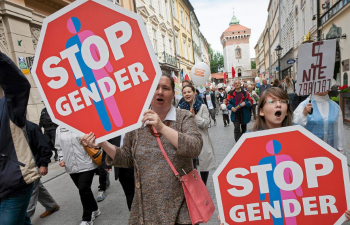
Women and Human Rights
The General Assembly adopted the Universal Declaration of Human Rights on December 10, 1948, making gender equality a part of international human rights law. This landmark document in human rights history declared that "all men are born free and equal in dignity and rights" and that "everyone is entitled to all the rights and freedoms set forth in this Declaration, without distinction as to race, colour, sex, language, religion…birth or other status."
As the international women's rights movement gained momentum in the 1970s, the General Assembly declared 1975 the International Year of Women and hosted the first World Conference on Women in Mexico City. At the urging of this conference, the General Assembly declared 1976-1985 the United Nations Decade for Women and established the United Nations Voluntary Fund for the Decade of Women.
In 1979, the General Assembly adopted the Convention on the Elimination of All Forms of Discrimination against Women. This 30-article convention, often referred to as the "Charter of International Women's Rights," clearly defines discrimination against women and sets forth an agenda for States Parties to take action to eliminate such discrimination. The Convention recognizes that culture and tradition are significant forces influencing gender roles and family relationships, and it was the first human rights treaty to recognize women's reproductive rights.
Five years after the World Conference on Women in Mexico City, the Second World Conference on Women was held in Copenhagen in 1980. The action program adopted at that conference called for strengthened national-level measures to guarantee women's property ownership and control, and to improve women's rights in inheritance, child custody, and loss of citizenship.
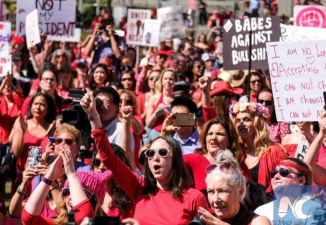
Women's Equality Claims:
- Wage Equality:
Strive for equal pay for men and women in the same jobs to eliminate the gender pay gap.
- Education Equality:
Ensure equal access to quality education for both men and women and encourage women's participation in science, technology, engineering, and mathematics (STEM) fields.
- Political Participation:
Promote broader women's participation in politics and decision-making, including elections, government, and international organizations.
- Combating Gender-Based Violence:
Combat gender-based violence, including domestic violence, sexual assault, and trafficking in persons, to protect the safety of women and girls.
- Gender Discrimination:
Eliminate gender discrimination, including discrimination in the workplace, society, and culture.
- Gender Equality Laws:
Develop and strengthen gender equality laws and policies to guarantee equal rights for both genders.
- Gender Equality Education:
Raise awareness of gender equality issues through education, including education on gender stereotypes and gender discrimination.
- Women's Health:
Advocate for women's health rights, including sexual health, reproductive health, and rights.
- Family Equality:
Support family equality and encourage men and women to share family and childcare responsibilities.
- Gender Diversity:
Support and respect people with different gender identities and sexual orientations.
- Feminism:
Advocate for feminism and emphasize women's rights and equality.
A correct understanding of the relationship between gender equality and a culture of peace, and the active promotion of gender equality and peace education, will enable education to become a force for safeguarding humanity, prosperity, the planet, and peace. This will help promote the construction of a more just and reasonable global governance system and play a key role in the process of building a gender-equal community with a shared future for mankind.